
How To Cut Threads On a Lathe?
(1) Internal taps are designated according to nominal size. For example, an M 6 tap means "metric with a diameter of 6 mm".
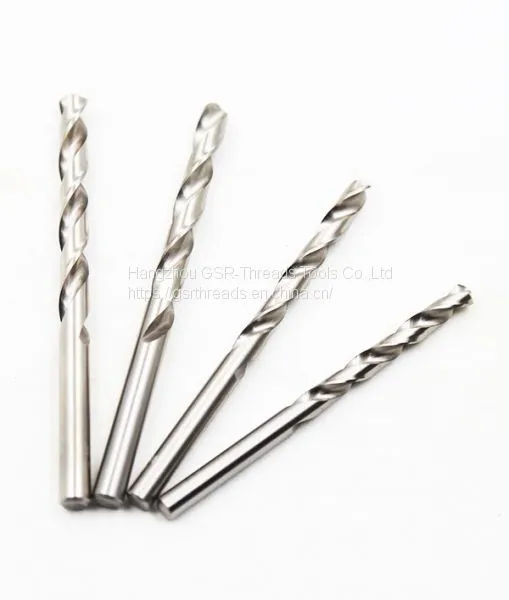
The diameter of the twist drill for tappingcan be calculated as follows:
Core hole diameter = Tap diameter - Thread pitch
Example the M6:
Core hole diameter = 6 mm - 1.0 mm = 5.0 mm
(2) Clamp the workpiece in place with a vise or C-clamp so it doesn’t move
(3) Use a center punch to position the place where you plan to drill
(4) Drilling the hole with bench drilling machine or handy drilling machine while using the cutting oil
Machine Tap
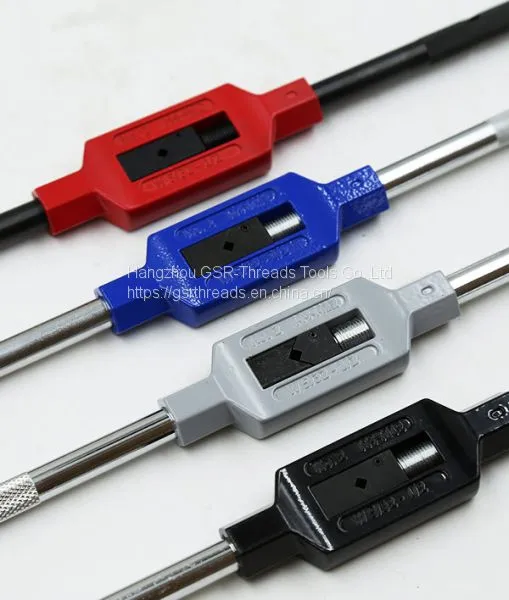
(1) Put the tap into a tap wrench (T-handle or tool holder with ratchet).
(2) Use cutting oil into the hole to lubricate it
(3) Fit the end of the tap into the hole to make it straight
(4) Rotate the tap wrench to thread your hole with the tap
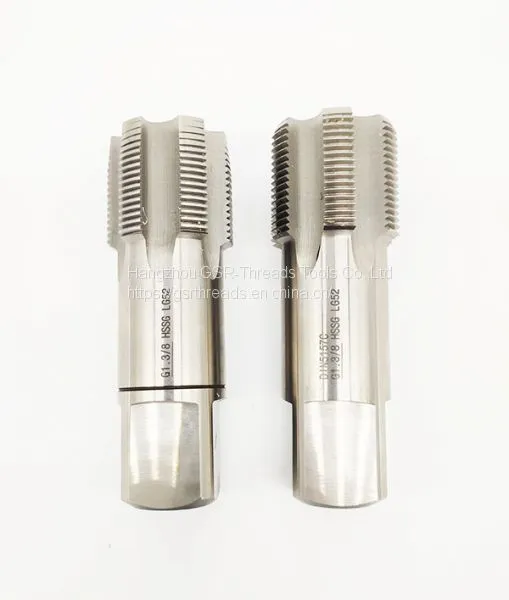
When using tap sets you must follow the tap sequence (taper, plug, and bottom). You can recognize the order by the rings on the shank:
taper - one ring
plug - two rings
bottom - no ring
cutting edges that go from rough to fine
When you have cut the thread, unscrew the tap in the opposite direction
The thread cutting is finished
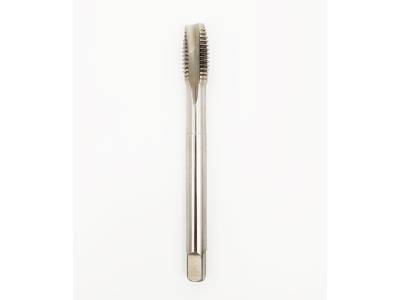
Tighten the machine tap in the machine and cut the thread.
Insert the Machine Tap slowly and straight into the core hole at the appropriate speed while using the cutting oil.
Friction generated between the chips and the tap cutting edges and thus the inflict torque is reduced which ensures better chip removal.
After a few turns, the machine tap pulls itself into the workpiece and cuts the thread.
When the machine tap is through, stop it and switch to the opposite direction and restart the machine. The machine tap will pull itself out of the hole
The thread cutting is finished
1.Select the correct diameter of round rod and die.
2. File a chamfer at the head of the round rod. This will help start the thread cutting,the chamfer can be created more accurately on a centre lathe
3. Fix the die in the die stock, tightening the centre adjusting screw and widening the die slightly, as well as holding it firmly in the die stock.
4. Place the die on the round rod, keeping it straight with the rod. Add a little pressure and turn the die stock in a clockwise direction.
The first couple of ‘turns’ of the die are critical. Make the die stock parallel to the vice
Continue to rotate the die stock in a clockwise direction. Once the thread has been started, for every clockwise rotation, rotate the stock in an anticlockwise direction, for half a turn. This will cut off the chips and remove them out of the die.
Thread Cutting can continue until the needed length is been achieved.
Remove the die stock from the thread by rotating it in an anticlockwise direction itll it is aparted of the rod entirely.
The thread cutting is finished
If you want to know more thread cutting tools, please click here
Recently Posted
-
Thread Cutting Procedure on Lathe Machine
February 24, 2022Before talking about how to cut threads on a lathe, it is very important to know what a thread is? In layman's terms, a thread is a "series of crests and troughs" or "spiral grooves" formed along a cylindrical or conical surface. Technically, it is defined as a spiral ridge with a uniform cross-section that wraps around a cylindrical or conical body. Threads are generally classified as external ThRead More -
What Are the Common Methods of Thread Machining?
February 24, 2022Here are seven common ways of processong the threads, and here we GSR introduce them to you.Thread cuttingGenerally speaking, it refers to the method of processing threads on the workpiece with forming tools or abrasives, mainly turning, milling, tapping and grinding, crushing and cyclone cutting. When turning, milling and grinding threads, the drive chain of the machine tool ensures that the turning tool, milling tRead More -
How to Repair a Damaged Thread in 4 Steps?
February 24, 2022There are various reasons why threads can be damaged, such as corrosion, wear or excessive tightening torque. In this article, Threading Tool Manufacturer will explain how to repair damaged threads.Before you can start repairing damaged threads, you will need the following tools:Drilltwist drillSingle-edged tapsTap wrenchAssembly toolsThreaded insertsNeedle breakersMake sure beforehand that the single-edged tap andRead More -
Analysis Summary of 9 Major Problems of Tap Fracture
February 8, 20211.The tap quality is not good:Main materials, CNC tool design, heat treatment conditions, machining accuracy, coating quality, etc. For example, the size difference at the transition of the tap section is too large or the transition fillet is not designed to cause stress concentration, and it is easy to break at the stress concentration during use. The section transition at the junction of the shank and the blade is too closeRead More

Contact Us
Recommended Products
-
 Wire Thread InsertNegotiableMOQ: 100 Pieces
 -
Die Guide for External Thread CuttingNegotiableMOQ: 100 Pieces
-
Hexagon Die Nut DIN 382 HSS - MetricNegotiableMOQ: 100 Pieces
-
Adjustable Tap Wrench, Zinc Casted for Hand TappingNegotiableMOQ: 100 Pieces
-
DIN5157 BSP Hand Tap Set, 2pcs HSS-GNegotiableMOQ: 100 Pieces