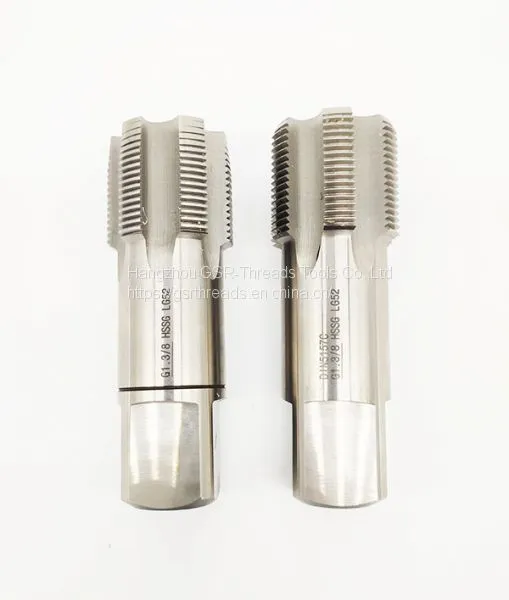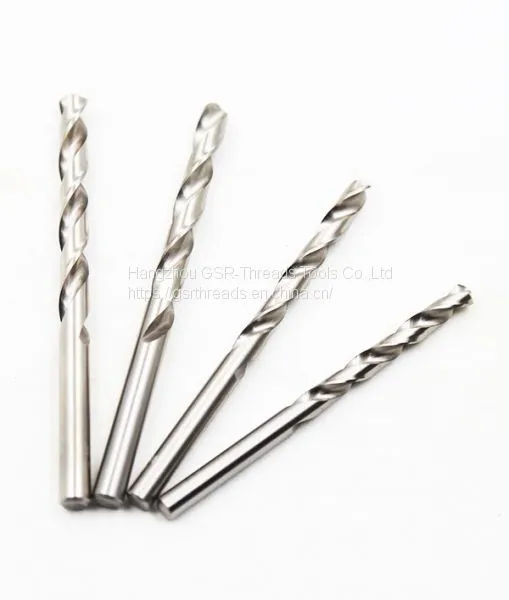

Machine Tapping Method and Precautions
Due to the low efficiency and unstable quality of Hand Taps, in actual mass production, machine tapping threads with good quality, high efficiency and low production cost are mainly used. But in the process of machine tapping, we must also use machines and tools correctly, otherwise, it will also affect the quality of threaded holes.
The radial runout of the drilling machine spindle should generally be adjusted within 0.05mm. If the precision of tapping the threaded hole is high, the radial runout of the spindle should not be greater than 0.02mm. The positioning support surface of the fixture for clamping the workpiece and the center of the drilling spindle The verticality error of the center of the tap should be no more than 0.05mm/100, and the coaxiality between the threaded bottom hole of the workpiece and the Professional Taps should generally be no more than 0.05mm.
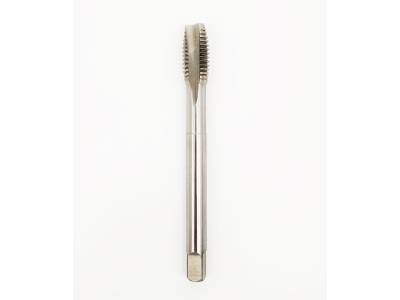
Machine Taps
2. How to tap the threadWhen the Machine Taps is about to finish tapping the thread, the feed should be light and slow to prevent the front end of the tap from interfering with the depth of the thread bottom hole of the workpiece and damaging the tap; when tapping a blind hole thread or a deep screw hole, it should be Use tapping safety chucks to withstand cutting forces.
The cutting force of the safety chuck must be adjusted according to the size of the tap to avoid breaking the tap or failing to enter the tap; within the tapping stroke of the cutting part of the tap, a uniform and appropriate pressure should be applied to the feed handle of the drill press. In order to assist the tap to enter the bottom hole, it can avoid that the thread is scratched when the spindle is pulled down by the first few incomplete threads. When the calibration part enters the workpiece, the thread is reliably screwed in for tapping, so as not to The teeth are cut thin.
When tapping through-hole threads, it should be noted that the calibrated part of the tap cannot be completely exposed, otherwise, the tapping phenomenon will occur when the tap is withdrawn from the reverse direction.
The cutting speed of tapping is mainly determined by the cutting material, the pitch diameter of the tap, the pitch, and the depth of the threaded hole. Generally, when the depth of the threaded hole is within 10-30mm and the workpiece is of the following materials, the cutting speed is roughly as follows: steel v=6-15m/min, quenched and tempered steel or harder steel v=5-10m/min, Stainless steel v=2~7m/min, cast iron v=8~10m/min. Under the same conditions, the smaller the diameter of the tap is the relatively high speed, the larger the diameter of the tap is the relatively low speed, and the larger the pitch is the lower speed.
When tapping threads, the cutting fluid is mainly selected according to the material to be processed, and sufficient cutting fluid must be maintained. For metal materials, emulsion is generally used; for plastic materials, emulsified oil or vulcanized cutting oil can generally be used. If the surface roughness value of the threaded hole on the workpiece is low, rapeseed oil and molybdenum disulfide can be used, and the effect of soybean oil is better. In addition to machine taps, we also have other types of internal thread cutting tools.
Products mentioned in the article:
DIN371 DIN376 Machine Tap, Spiral Point for through hole
Recently Posted
-
Thread Cutting Procedure on Lathe Machine
February 24, 2022Before talking about how to cut threads on a lathe, it is very important to know what a thread is? In layman's terms, a thread is a "series of crests and troughs" or "spiral grooves" formed along a cylindrical or conical surface. Technically, it is defined as a spiral ridge with a uniform cross-section that wraps around a cylindrical or conical body. Threads are generally classified as external ThRead More -
What Are the Common Methods of Thread Machining?
February 24, 2022Here are seven common ways of processong the threads, and here we GSR introduce them to you.Thread cuttingGenerally speaking, it refers to the method of processing threads on the workpiece with forming tools or abrasives, mainly turning, milling, tapping and grinding, crushing and cyclone cutting. When turning, milling and grinding threads, the drive chain of the machine tool ensures that the turning tool, milling tRead More -
How to Repair a Damaged Thread in 4 Steps?
February 24, 2022There are various reasons why threads can be damaged, such as corrosion, wear or excessive tightening torque. In this article, Threading Tool Manufacturer will explain how to repair damaged threads.Before you can start repairing damaged threads, you will need the following tools:Drilltwist drillSingle-edged tapsTap wrenchAssembly toolsThreaded insertsNeedle breakersMake sure beforehand that the single-edged tap andRead More -
Analysis Summary of 9 Major Problems of Tap Fracture
February 8, 20211.The tap quality is not good:Main materials, CNC tool design, heat treatment conditions, machining accuracy, coating quality, etc. For example, the size difference at the transition of the tap section is too large or the transition fillet is not designed to cause stress concentration, and it is easy to break at the stress concentration during use. The section transition at the junction of the shank and the blade is too closeRead More

Contact Us
Recommended Products
-
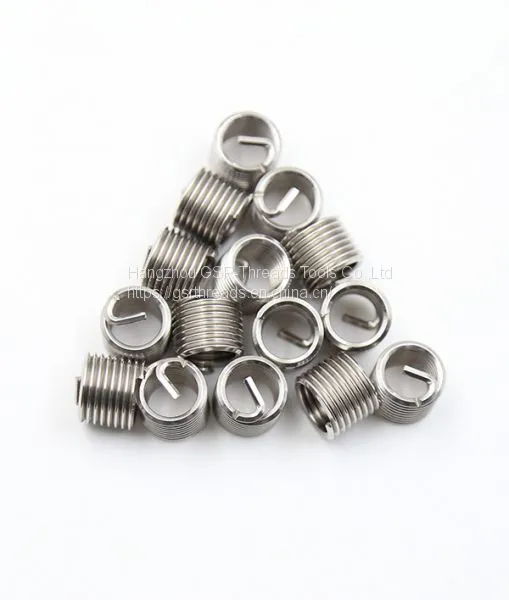
 Wire Thread InsertNegotiableMOQ: 100 Pieces
 -
Die Guide for External Thread CuttingNegotiableMOQ: 100 Pieces
-
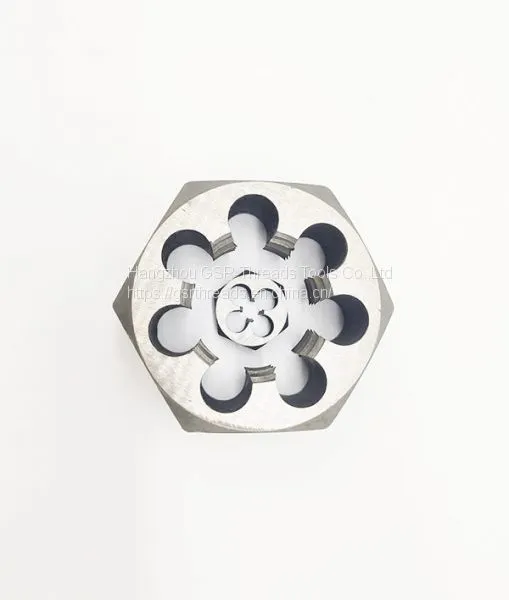
Hexagon Die Nut DIN 382 HSS - MetricNegotiableMOQ: 100 Pieces
-
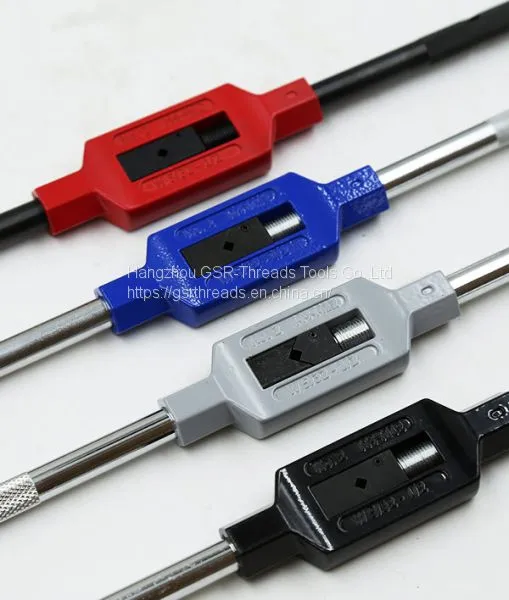
Adjustable Tap Wrench, Zinc Casted for Hand TappingNegotiableMOQ: 100 Pieces
-
DIN5157 BSP Hand Tap Set, 2pcs HSS-GNegotiableMOQ: 100 Pieces